-1.jpg?w=2400&h=1200)


Bathroom Vanity Materials Guide: Which One Is Best for Your Bathroom?
Jan 13,2026 | CASAINC
Choosing the right bathroom vanity material is just as important as selecting the right size or layout. Different materials affect durability, moisture resistance, maintenance, and overall lifespan, especially in high-humidity bathrooms.
This guide explains the most common bathroom vanity materials, their pros and cons, and how to choose the best one for your bathroom.
Why Bathroom Vanity Material Matters
Bathrooms are exposed to:
- High humidity and steam
- Daily water splashes
- Frequent cleaning
Using the wrong material can result in:
- Warping or swelling
- Peeling finishes
- Mold or mildew buildup
Choosing the right bathroom vanity material helps ensure long-term performance and lower maintenance costs.
Common Bathroom Vanity Materials Explained
Solid Wood Bathroom Vanities
Best for: Primary bathrooms, classic bathroom designs, moderate humidity
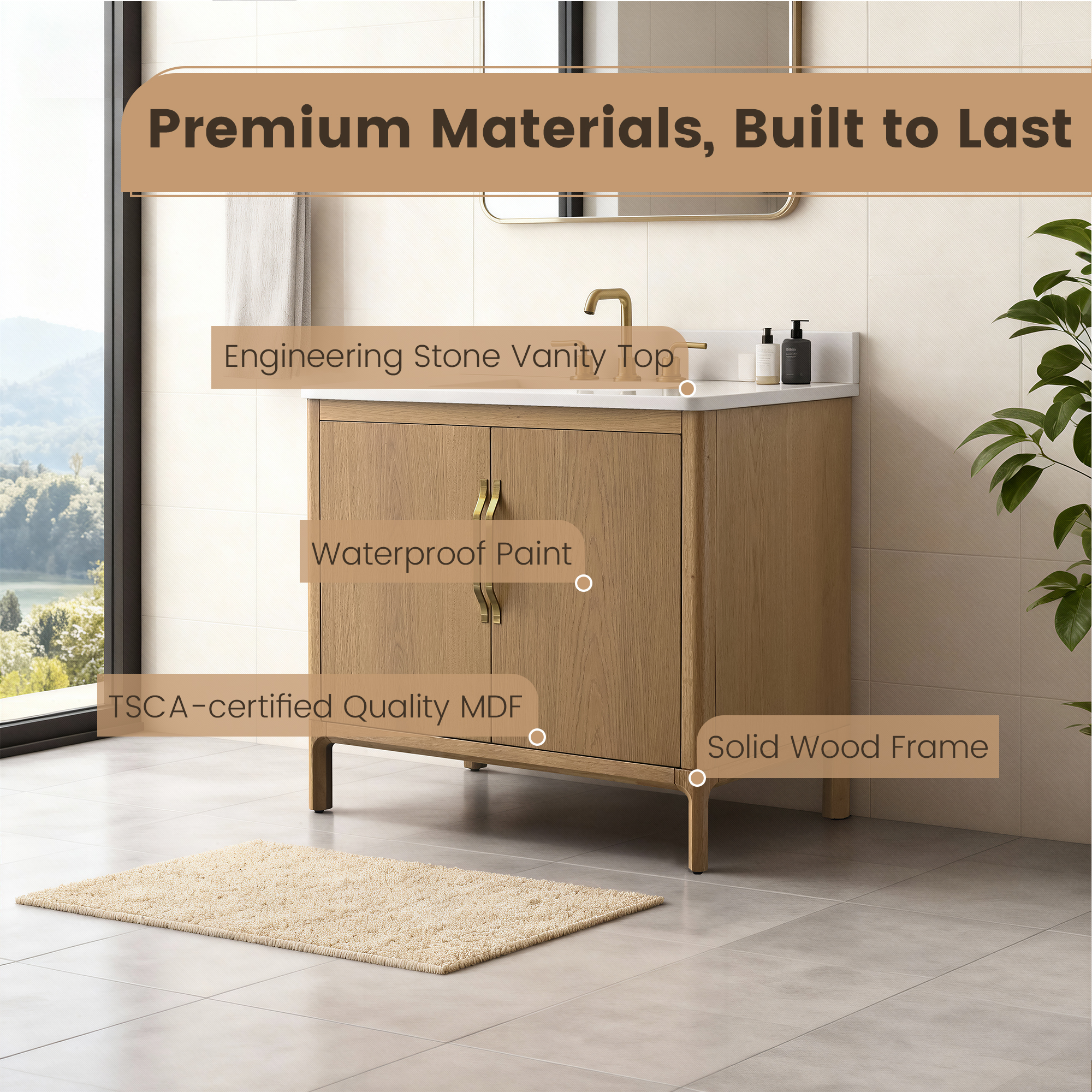
Solid wood vanities are made from natural hardwoods such as oak, maple, or birch.
Pros:
- Natural wood grain and appearance
- Strong and long-lasting when properly sealed
- Suitable for traditional and transitional bathrooms
Cons:
- Sensitive to moisture and humidity
- Requires proper sealing and ventilation
- Higher price compared to engineered materials
Solid wood bathroom vanities work best in well-ventilated bathrooms.
Plywood Bathroom Vanities (Engineered Wood)
Best for: Most homes, high-humidity bathrooms, daily use
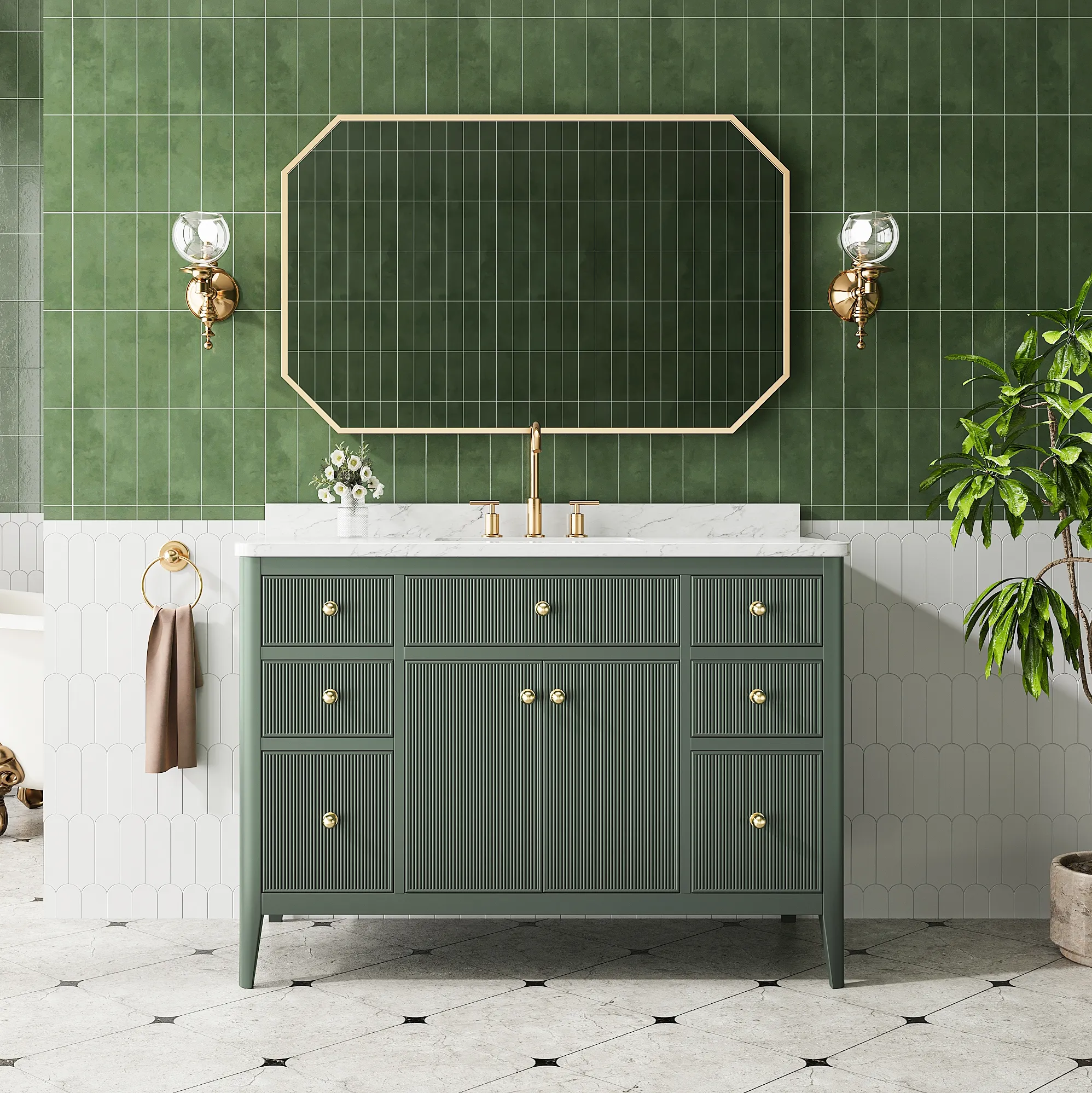
Plywood bathroom vanities are constructed from layered wood veneers, making them more stable than solid wood.
Pros:
- High moisture resistance
- Less likely to warp or crack
- Strong and durable for long-term use
- Better value than solid wood
Cons:
- Less visible wood grain
- Quality varies by plywood grade
Why it's popular:
Plywood is considered one of the best bathroom vanity materials for U.S. households due to its balance of durability and cost.
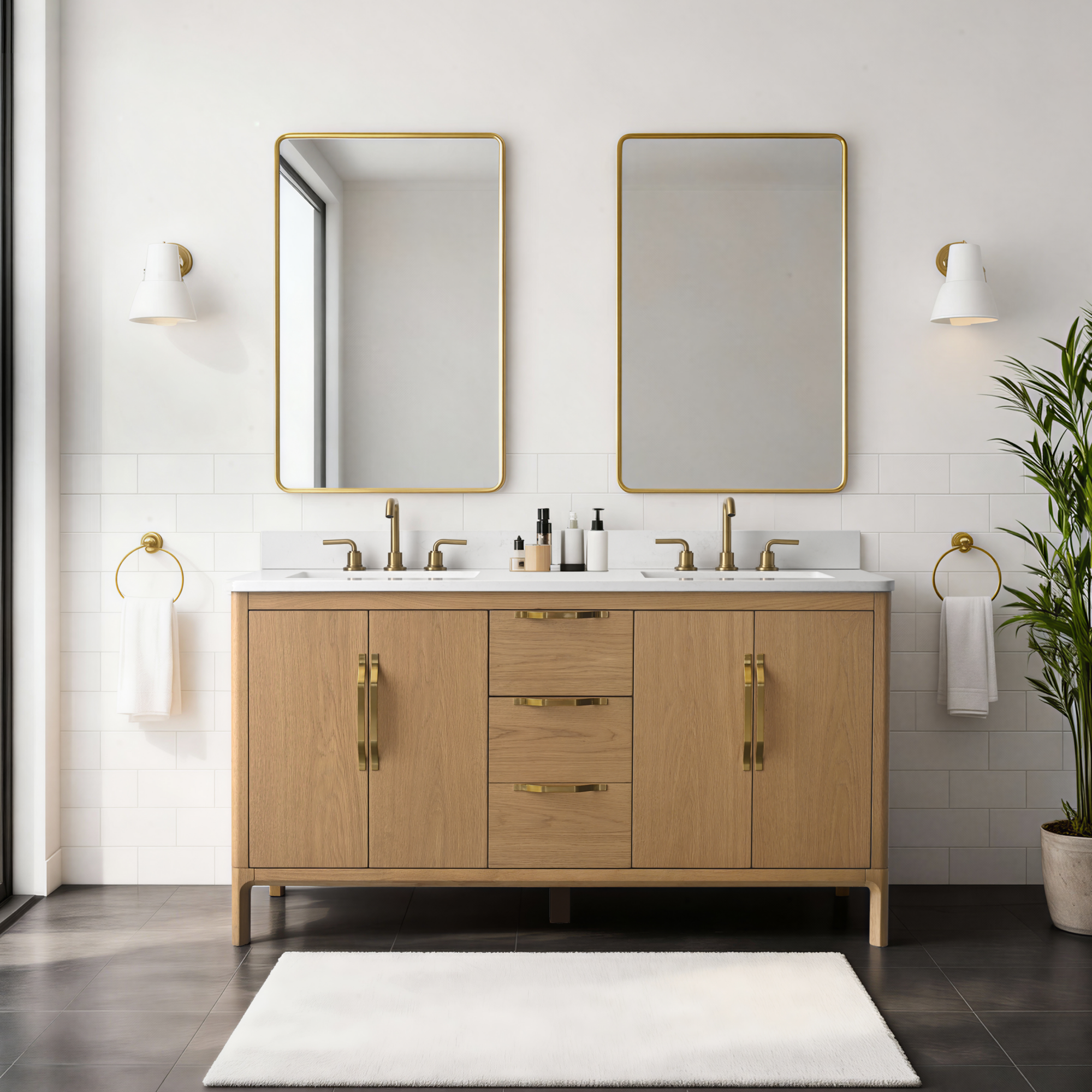
Solid Wood with Plywood Construction: The Best of Both Worlds
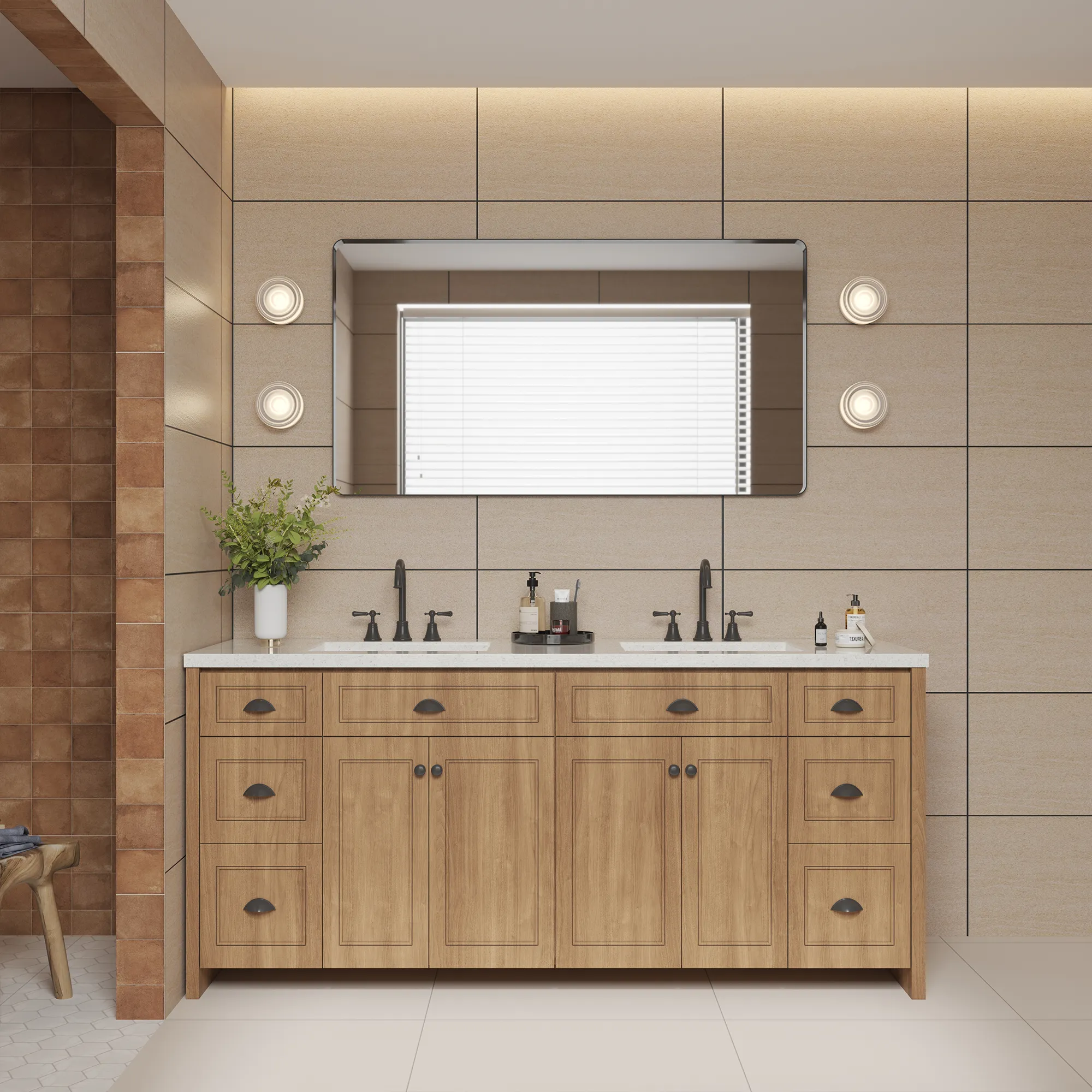
Many modern bathroom vanities use a hybrid construction, a solid wood veneer or real wood surface paired with a plywood cabinet frame. This design combines the visual appeal of natural wood with the structural stability of engineered materials.
Why this construction works well in bathrooms:
- The plywood core offers excellent moisture resistance and reduces the risk of warping.
- The real wood surface provides natural grain and a premium appearance.
- Better long-term performance in humid environments compared to fully solid wood cabinets.
- A more balanced option between durability, aesthetics, and cost.
For homeowners who want the look of solid wood without sacrificing moisture resistance, plywood-built bathroom vanities with real wood finishes are often one of the most practical choices.
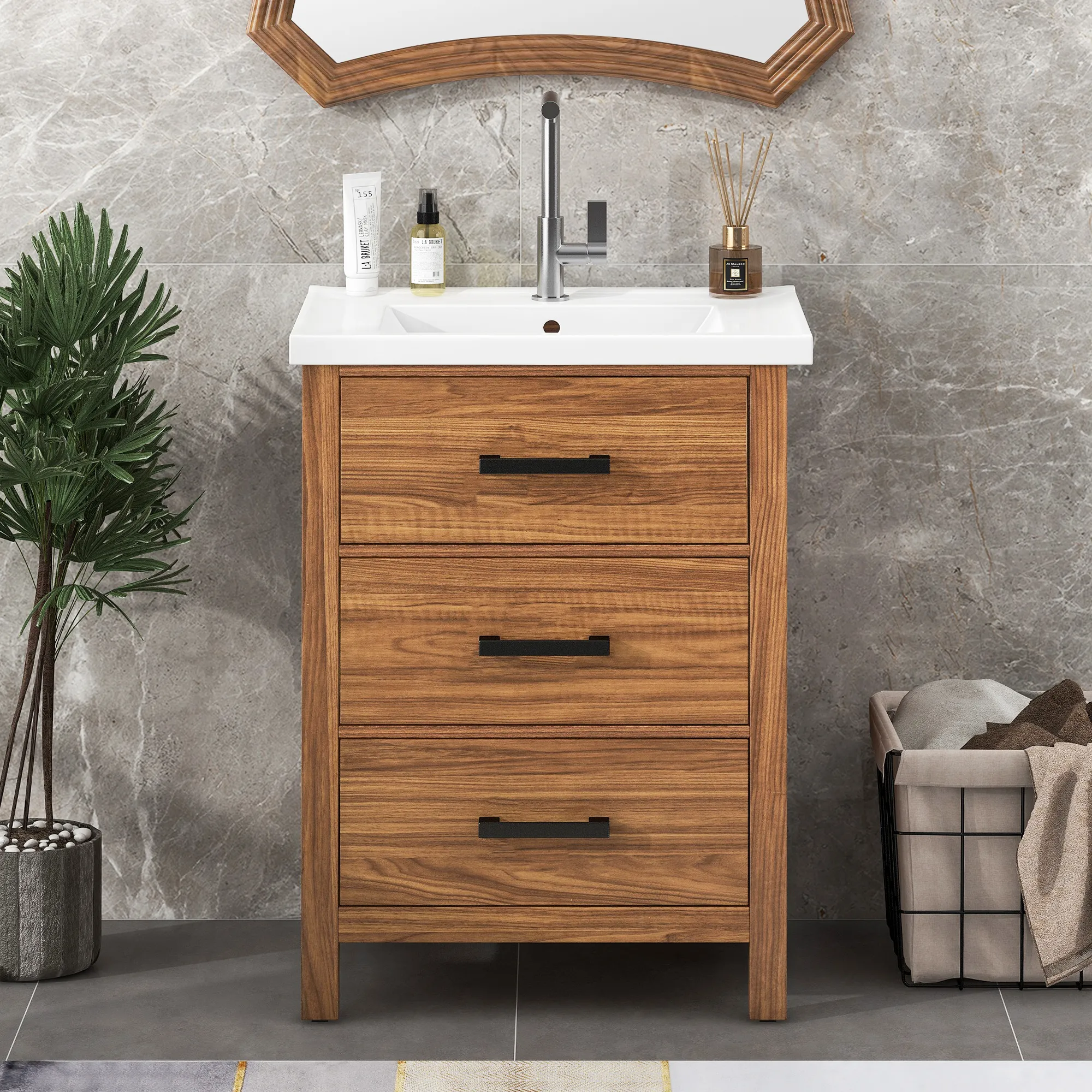
MDF Bathroom Vanities
Best for: Powder rooms, guest bathrooms, budget projects
MDF (Medium-Density Fiberboard) is a smooth engineered material commonly used for painted vanities.
Pros:
- Smooth surface ideal for painted finishes
- Affordable option
- Uniform appearance
Cons:
- Low moisture resistance
- Can swell if exposed to standing water
- Shorter lifespan in humid bathrooms
Recommendation:
MDF bathroom vanities are best suited for low-humidity spaces.
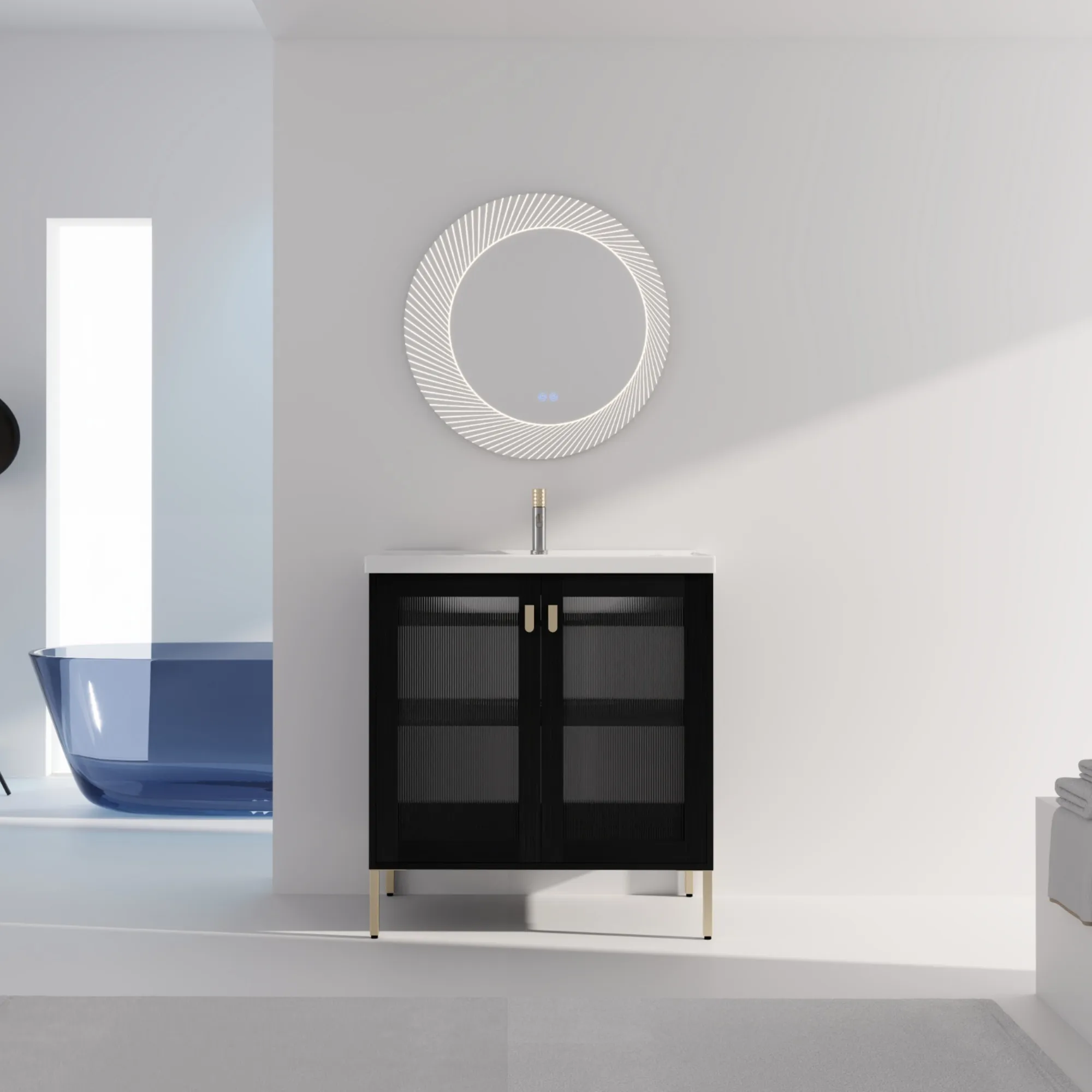
Stainless Steel Bathroom Vanities
Best for: Modern bathrooms, coastal homes, high-moisture areas
Stainless steel vanities are designed for maximum water resistance and durability.
Pros:
- Excellent moisture and mold resistance
- Easy to clean and maintain
- Long lifespan
- Hygienic surface
Cons:
- Higher upfront cost
- Limited design styles
- Can show fingerprints or water spots
Thermofoil and Laminated Bathroom Vanities
Best for: Guest bathrooms, rental properties, light use
These vanities feature a protective surface layer applied over engineered wood.
Pros:
- Moisture-resistant surface
- Budget-friendly
- Easy to clean
Cons:
- May peel over time
- Less heat-resistant
- Lower durability than plywood
Bathroom Vanity Material Comparison
| Material | Moisture Resistance | Durability | Maintenance |
| Solid Wood | Medium | High | Medium |
| Plywood | High | High | Low |
| MDF | Low–Medium | Medium | Medium |
| Stainless Steel | Very High | Very High | Very Low |
| Thermofoil/Laminate | Medium | Medium | Low |
How to Choose the Best Bathroom Vanity Material
- Consider Bathroom Humidity
High humidity → Plywood or stainless steel
Low humidity → Solid wood or MDF
- Evaluate Daily Usage
Primary bathroom → Durable, moisture-resistant materials
Guest bathroom → Budget-friendly options may be sufficient
- Think About Maintenance
Low maintenance → Plywood or stainless steel
Willing to maintain → Solid wood
What Is the Best Material for a Bathroom Vanity?
For most U.S. homeowners:
Plywood bathroom vanities offer the best balance of durability, moisture resistance, and price.
Solid wood works well in ventilated bathrooms.
Stainless steel is ideal for maximum moisture protection.
Conclusion
Selecting the right bathroom vanity material helps prevent moisture damage, reduces maintenance, and extends the life of your vanity. By understanding the pros and cons of each material, you can confidently choose a bathroom vanity that fits your space and daily needs.
Comment