-1.jpg?w=2400&h=1200)


Kitchen Cabinet Height, Layout & Storage Planning 101: A Complete Homeowner’s Guide
Oct 24,2025 | CASAINC
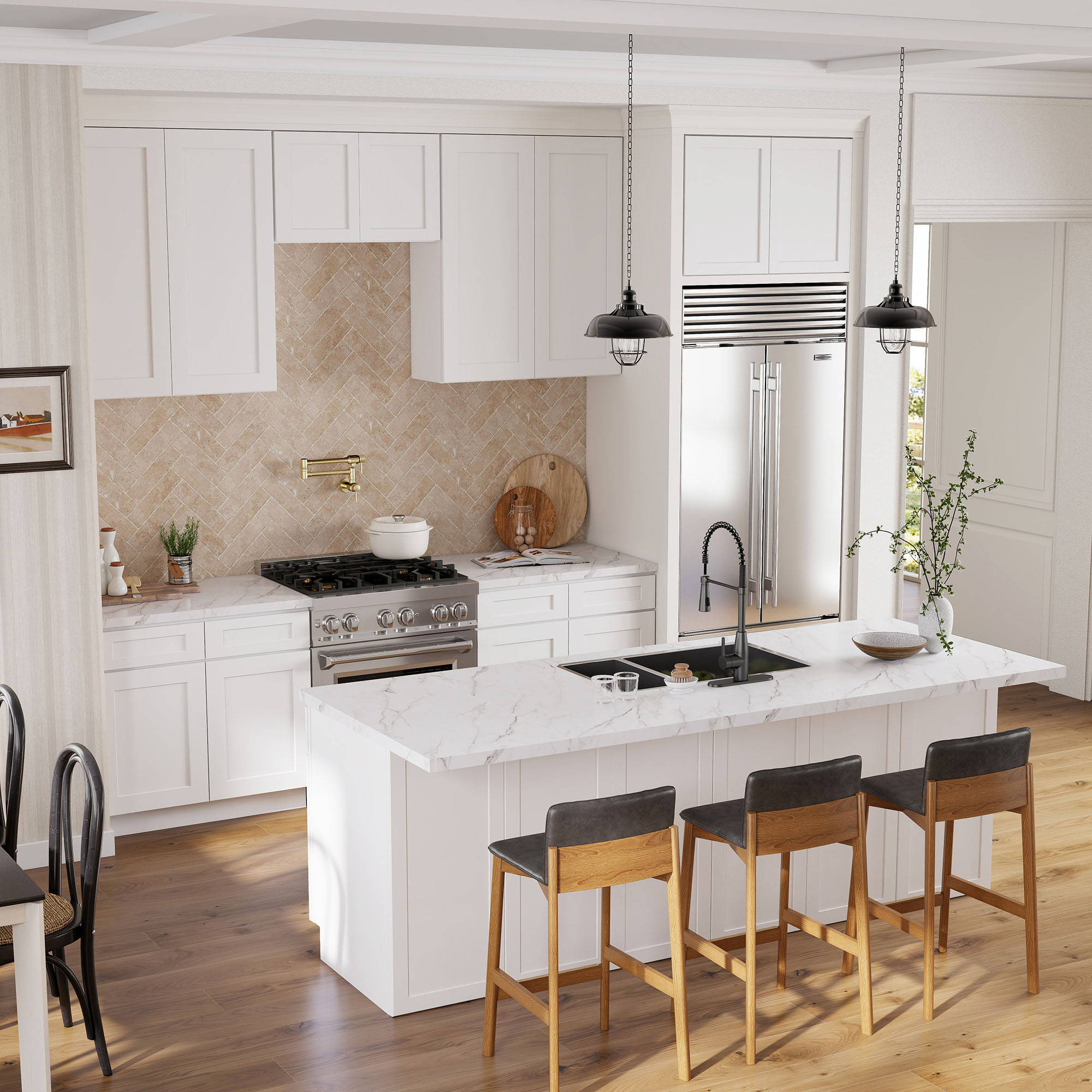
Designing a kitchen is more than choosing colors, countertops, and hardware. The foundation of a functional, timeless kitchen always begins with one thing: cabinet layout and proportions. The right cabinet heights, depths, and storage zones can dramatically change how a kitchen feels, functions, and ages with your home. Done well, your kitchen becomes easier to cook in, cleaner to maintain, and calmer to live in. Done poorly, and you inherit daily frustrations—cluttered counters, tight corners, wasted wall space, and storage that never quite fits.
This guide focuses on the core of kitchen planning: cabinet dimensions, wall-cabinet height choices, layout principles, and storage zoning, written from a design-forward, transitional American perspective—clean lines, soft neutrals, balanced shapes, and long-term livability. If you are remodeling, building, or simply re-thinking your storage, this is the clarity you want before you buy a single cabinet.
I. Standard Cabinet Dimensions Every Homeowner Should Know
Before you explore layouts or aesthetics, you need to understand the standard cabinet measurements that define nearly every American kitchen.
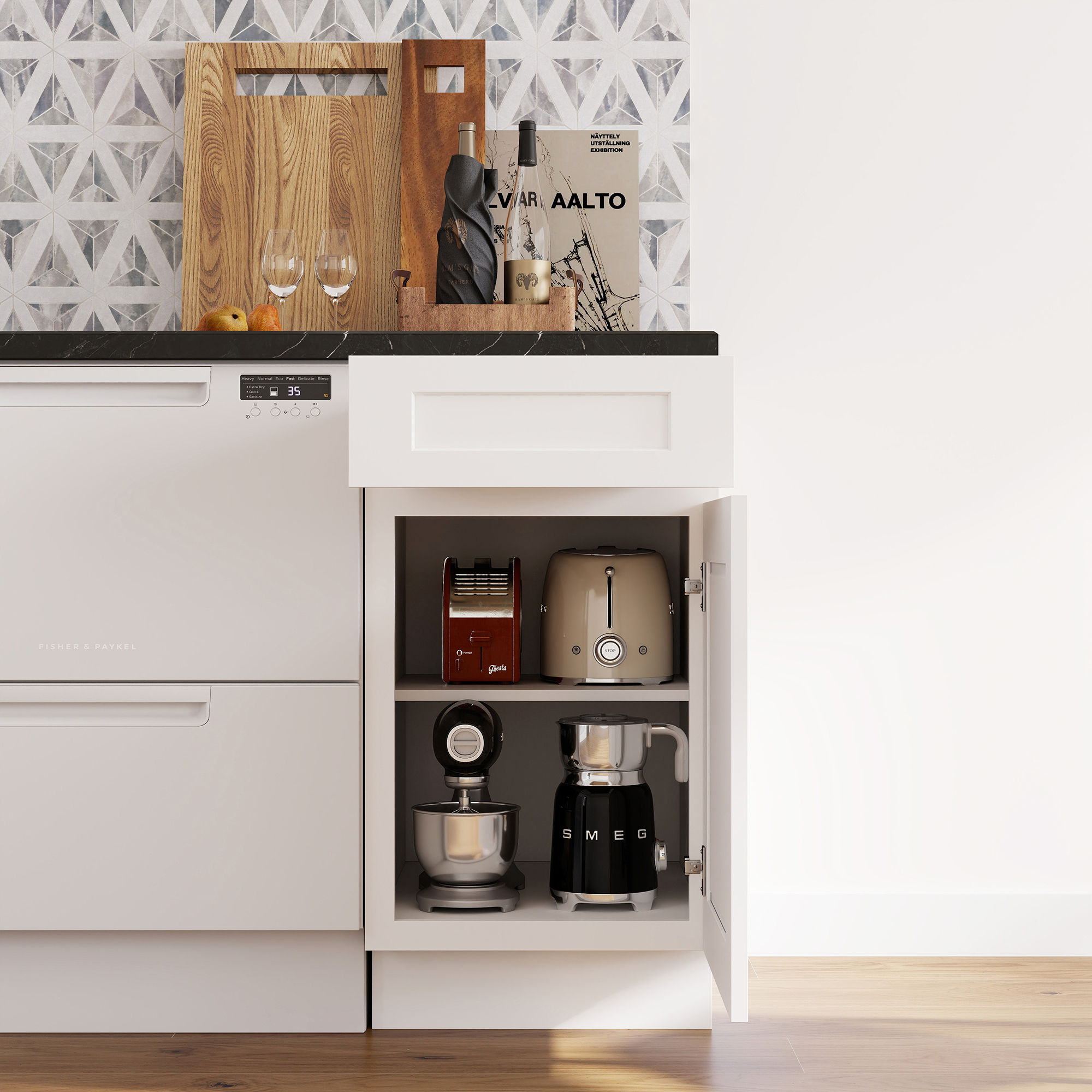
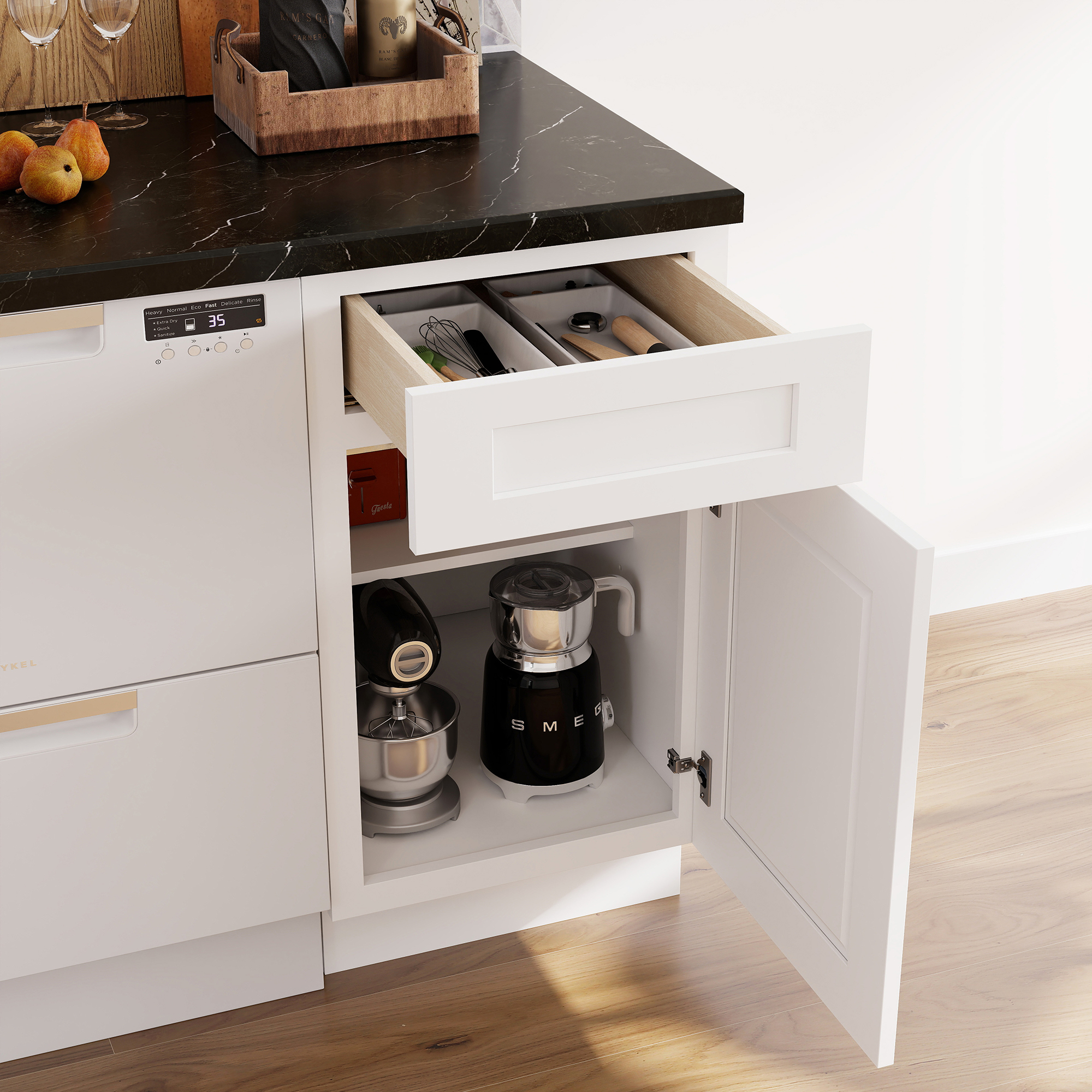
1. Base Cabinets
-
Depth: 24"
-
Height: 34.5" (36" finished with countertop)
-
Function: Prep, cook, clean, storage for heavy items
Base cabinets anchor the kitchen. Their continuous height forms the visual baseline of your space and controls how comfortable daily tasks feel. This is why base cabinets are almost never modified in height—they balance ergonomics, appliances, and building standards.
2. Wall Cabinets (Upper Cabinets)
-
Depth: 12"
-
Heights: 30", 36", or 42"
-
Function: Daily-reach storage at eye-level
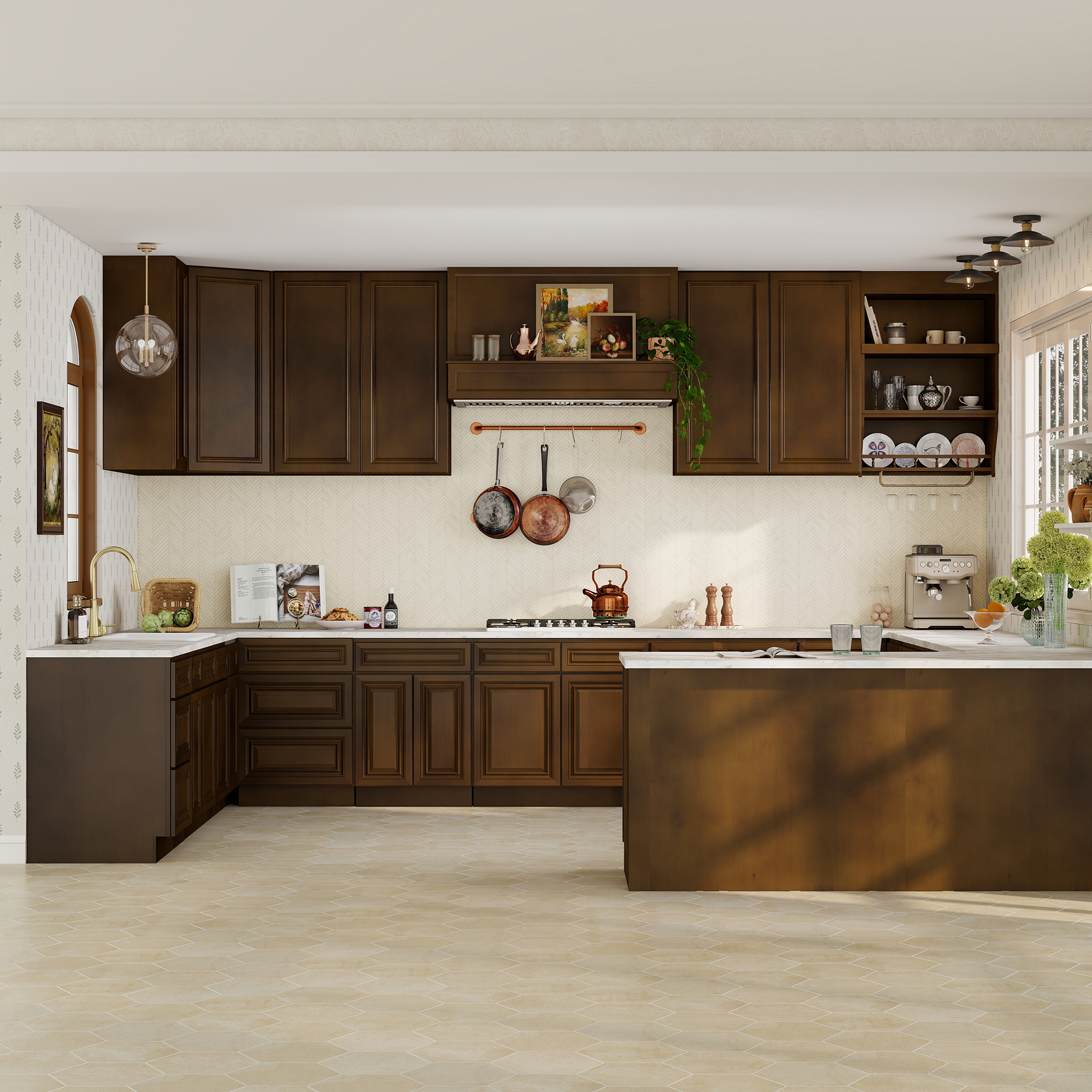
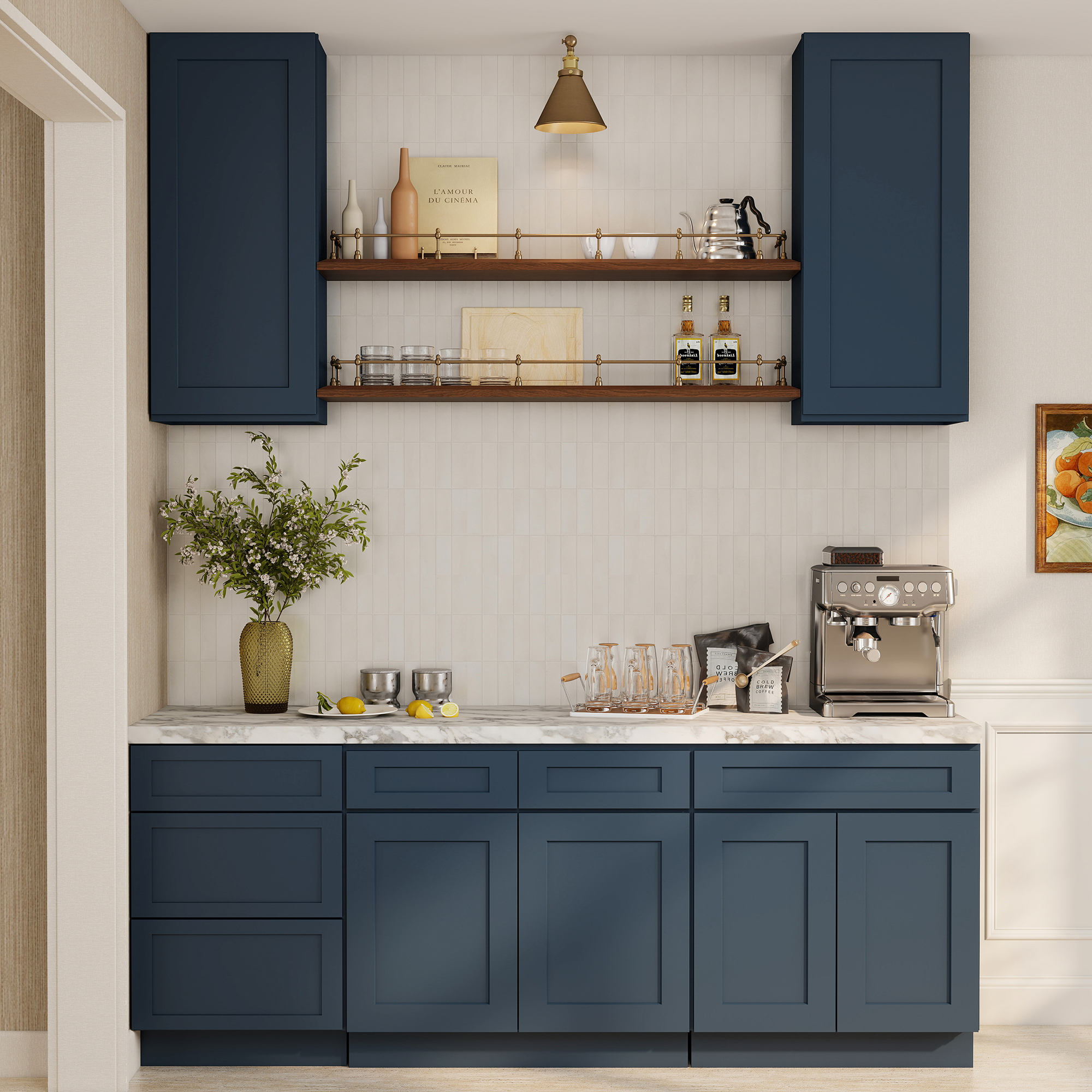
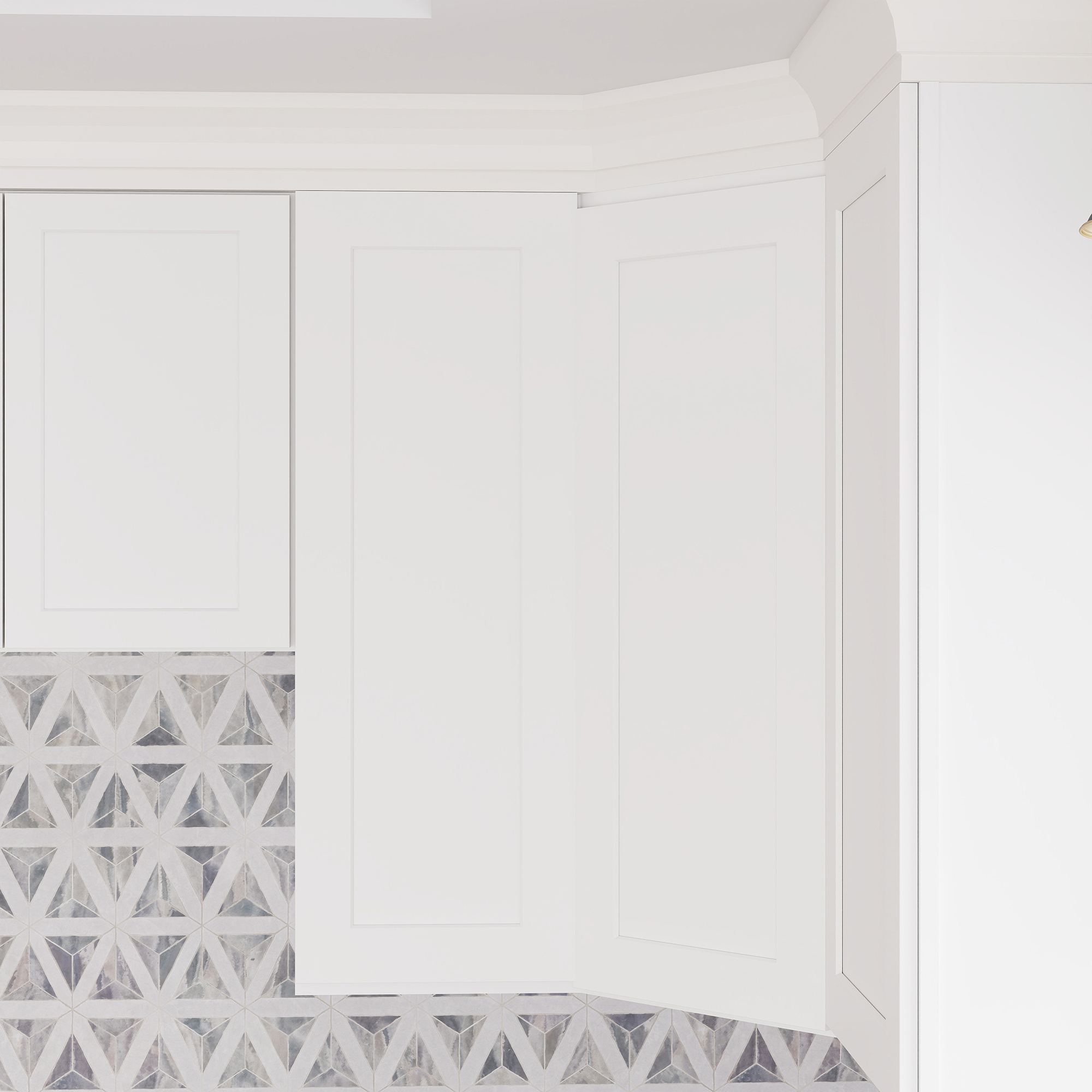
Wall cabinets are the most influential design decision in a kitchen because they sit in your sightline. Their height determines visual proportion, storage capacity, and how “built-in” or “open” your kitchen looks.
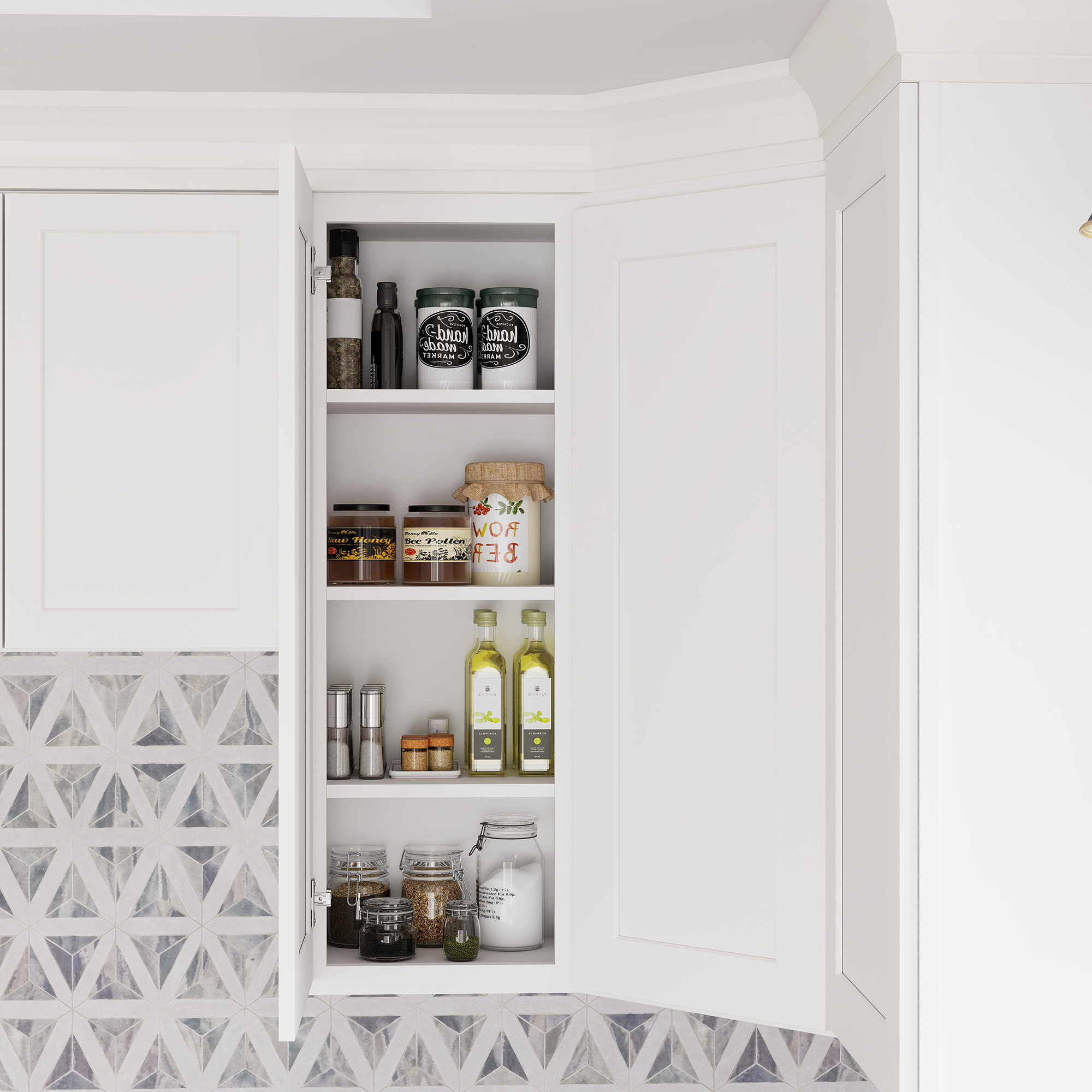
3. Tall / Pantry Cabinets
-
Heights: 84", 90", or 96"
-
Function: Bulk food storage, brooms, ovens, tall organization zones
Tall cabinets add drama and storage power, but must be balanced so the room doesn’t feel top-heavy.
4. Vertical Spacing Rules
-
Countertop to wall cabinet bottom: 18" is standard
-
Vent hood wall cabinet alignment: always level to uppers
-
Toe kick height: ~4.5"
These numbers are the silent structure behind every comfortable kitchen. When they are right, the room feels right.
II. 30" vs 36" vs 42" Wall Cabinets: Which Height Is Right for You?
Choosing wall-cabinet height is not cosmetic—it shapes the entire kitchen.
30" Cabinets
Best for:
-
8-foot ceilings when keeping open space above
-
More relaxed, airy kitchens
-
Homes planning décor or lighting above uppers
Pros: lighter visual feel, easier installation
Cons: wasted vertical storage, dust-collecting tops
36" Cabinets
Best for:
-
8-foot ceilings with a small crown molding
-
Standard American remodels
Pros: best balance of proportion and storage
Cons: slightly less decorative flexibility above
42" Cabinets (Ceiling-Height Look)
Best for:
-
8-foot ceilings with a full ceiling-height built-in aesthetic
-
9-foot ceilings when used with a soffit or trim
-
Transitional or modern luxury kitchens
Pros: maximum storage, premium visual finish, no dust-tops
Cons: taller shelves may need step stool
Designer Rule of Thumb:
If you want a clean, custom, luxury kitchen—go 36" or 42".
30" works, but 36" and 42" elevate the architecture of the room.
III. Depth, Width & Storage Zones: Plan Like a Designer
Great kitchens aren’t just beautiful; they are organized by zones, not random cabinet placements.
The 5 Essential Storage Zones
| Zone | What Belongs There |
|---|---|
| Prep Zone (near sink) | Cutting boards, knives, mixing bowls |
| Cooking Zone (near range) | Pots, pans, spices |
| Serve Zone | Plates, cups, glassware |
| Pantry Zone | Dry goods, baking items |
| Cleaning Zone | Detergents, towels, trash |
When cabinets follow zones, your kitchen becomes intuitive.
Width Consideration
A 33" or 36" wall cabinet in serve zone = perfect for plates + glasses
A slimmer 21" or 24" cabinet = great for utility categories like spices or prep storage
IV. Layout Planning: Work Triangle & Traffic Flow
A functional kitchen is built on two core layout ideas:
1. The Work Triangle
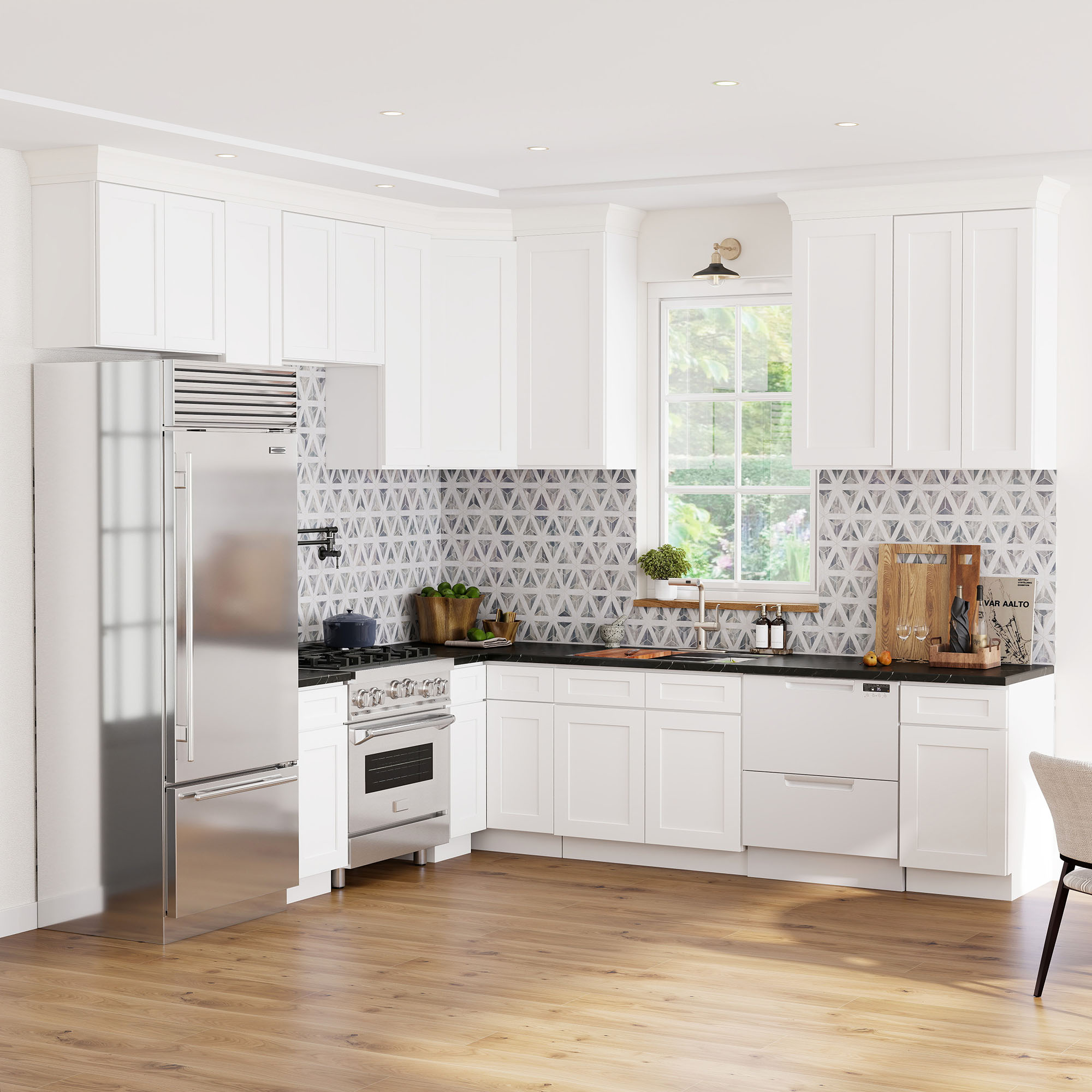
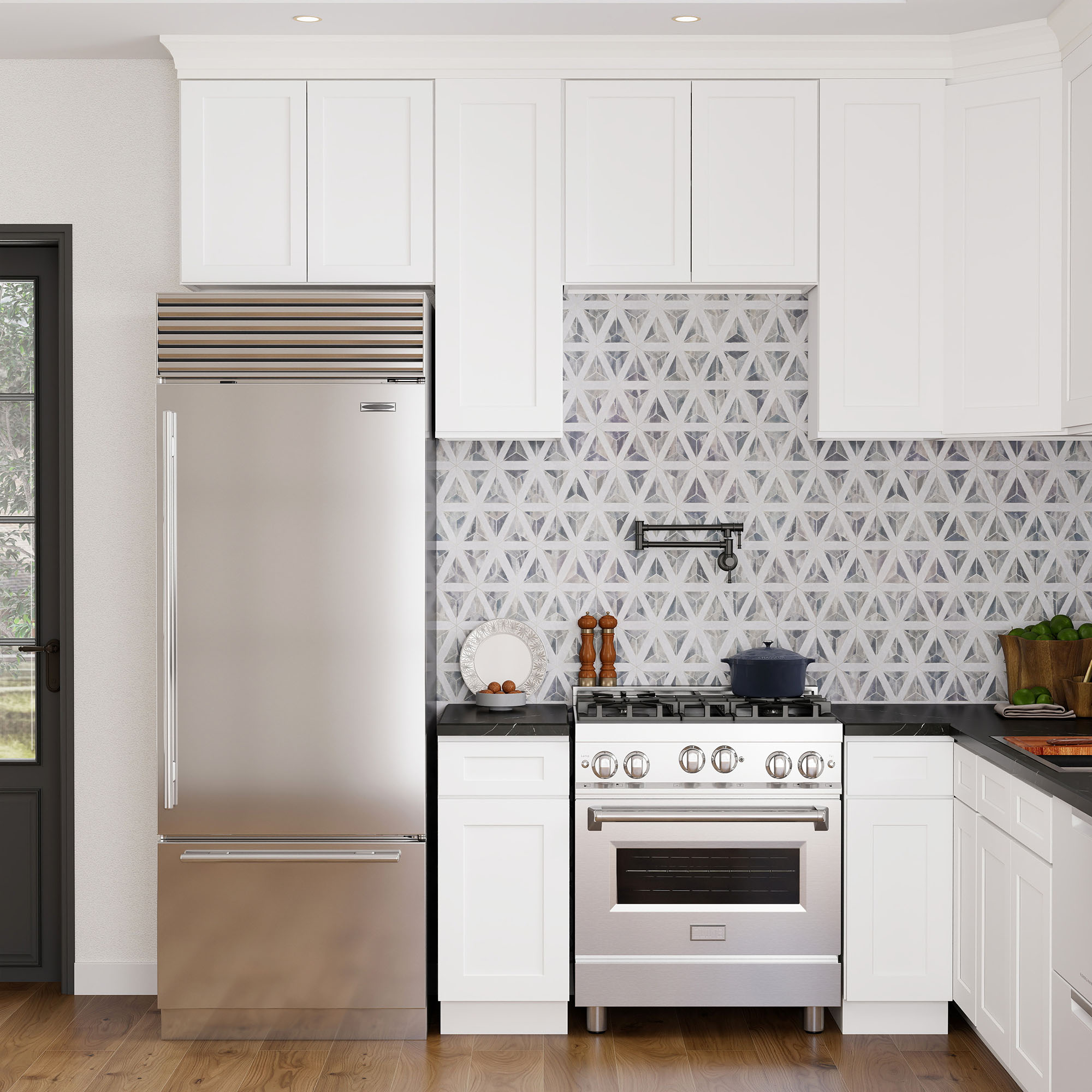
Connect sink → stove → refrigerator in a clear flow. Avoid blocking these pathways with tall cabinets or oversized islands.
2. Traffic Flow
-
Keep 42"–48" walkway in main aisles
-
Avoid tight corridors beside pantry or tall cabinets
-
Keep upper cabinet doors from clashing in corners
Good layouts feel effortless. If your kitchen feels stressful, it’s usually a layout problem—not a lifestyle problem.
V. Ceiling Height & Proportion: The Secret to a “Designer” Look
Cabinet height must work with the architecture.
| Ceiling Height | Best Wall Cabinet Choice |
|---|---|
| 8 ft | 36" or 42" |
| 9 ft | 42" + trim or stacked uppers |
| 10 ft | Stacked cabinets (18"+36" or 24"+42") |
Why this matters:
Your eye reads horizontal lines. When upper cabinets stop too low, kitchens look unfinished. When they meet the ceiling, they look intentional and calm.
VI. Lighting, Backsplash & Wall Cabinet Coordination
A refined kitchen coordinates:
-
Under-cabinet lighting (task clarity + nighttime ambience)
-
Backsplash height (full-height backsplash pairs beautifully with 36" or 42")
-
Crown molding or flat trim (to close ceiling gaps)
Lighting + cabinet rhythm = elevated design.
VII. Mistakes Homeowners Regret
Avoid these:
❌ Choosing 30" uppers in a tall room
❌ Random cabinet widths with no symmetry
❌ No storage zoning
❌ Leaving dust-collecting gaps with no plan
❌ Over-buying drawers and losing tall storage
❌ Ignoring sightline balance around the hood
These mistakes cost more to fix later than to prevent now.
VIII. Final Thoughts
A well-planned kitchen doesn’t shout—it flows. When cabinet heights align with your ceiling, when zones follow your cooking habits, and when proportions feel calm and intentional, your kitchen becomes more than a workspace. It becomes a daily source of clarity and comfort.
Take your time. Sketch the zones. Consider your ceiling height. Choose cabinets that respect balance, proportion, and long-term living. And when you’re ready to elevate your space, explore cabinetry in timeless transitional finishes—soft whites, subtle greys, clean lines, and thoughtful storage—pieces that will stay beautiful as your life and home evolve.
A kitchen should work for you today, and still feel right ten years from now.
Comment