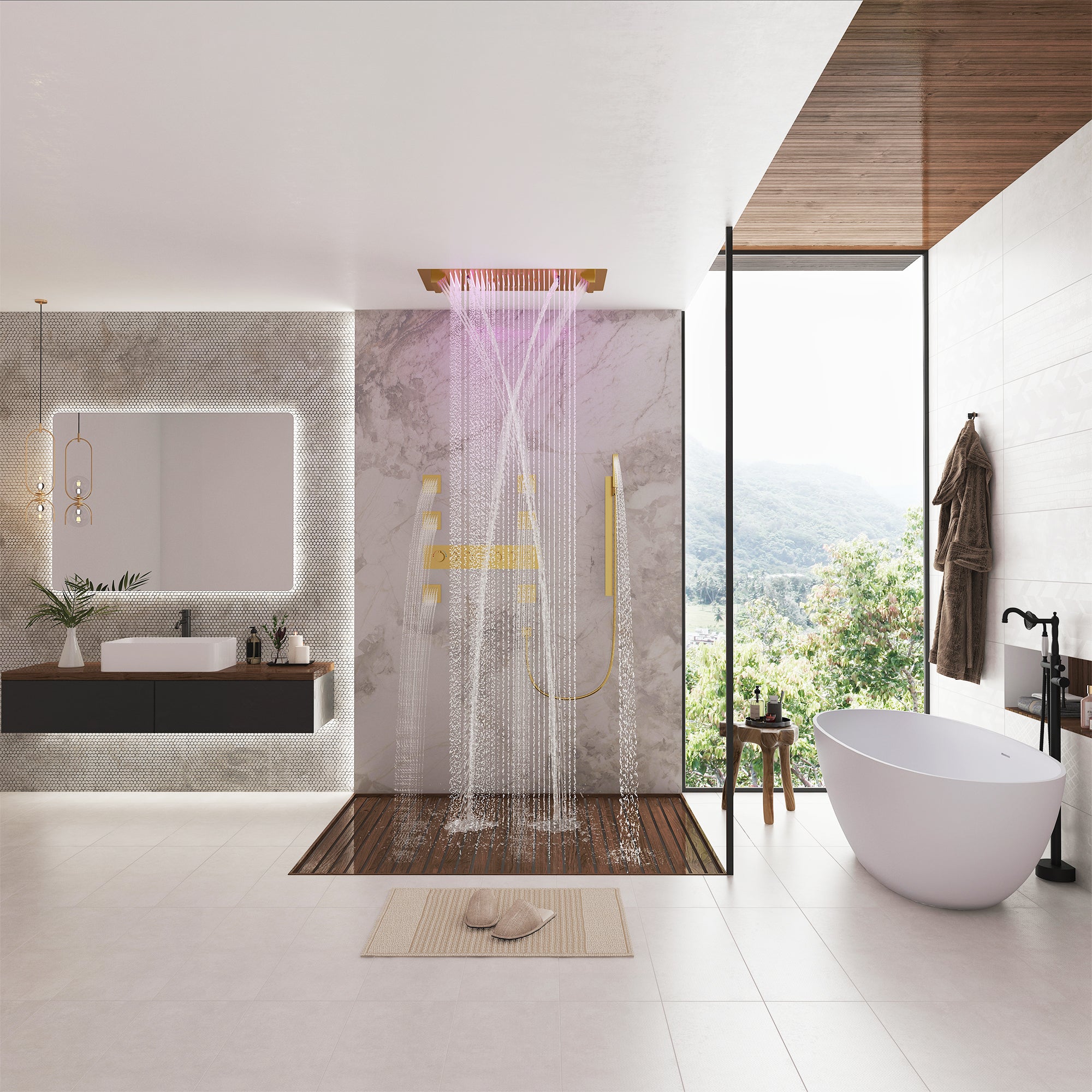
Picking the right bathtub isn’t just a design choice—it shapes how you actually use and enjoy your bathroom every day. With so many options on the market, the trick is to narrow down what matters most for your space, style, and comfort, then pick a tub that checks those boxes without overthinking.
Below is a practical guide that walks you through the key factors—style, shape, size, material, and color—so you can choose a tub that feels right now and still looks good years from now.
What to consider when choosing a new bathtub
1) Bathtub styles that fit your space and lifestyle
Different tub styles solve different problems. The best choice depends on your bathroom layout, how much space you have, and whether you want a dramatic centerpiece or something practical and space-saving.
Popular styles that cover most homes:
-
Freestanding tubs
Standalone units that can be placed almost anywhere. Great for master baths or any room where you want a focal piece that looks spa-like.

-
Built-in or alcove tubs
Installed against walls or in a three-wall alcove. Ideal when floor space is limited or you want a tidy, integrated look. Often simpler for small bathrooms. -
Corner tubs
Designed to fit into a corner, saving floor space while still offering a good bathing area. Useful in smaller rooms or oddly shaped layouts. -
Clawfoot tubs
Vintage appeal with exposed feet, usually cast iron or similar heavy material. Good for traditional or period-style bathrooms when you want classic charm. -
Drop-in tubs
Set into a pre-built deck or surround. Offer a customized, built-in look that blends smoothly with tile, stone, or solid-surface decks. -
Walk-in tubs
Built for safety and accessibility. Low step-in and a watertight door help those with mobility challenges or anyone who wants a safer bathing option. -
Whirlpool, air, or jetted tubs
For relaxation and therapeutic use. Whirlpool uses water jets, while air tubs use air bubbles for a gentler massage feel. Best when you want a spa-like experience at home.
2) Bathtub shape matters for both look and comfort
Shape affects how the tub fits the room and how comfortable it feels when you soak. The right shape can make a small bathroom feel more balanced or a large bath space feel luxurious.
Common shapes and when they shine:
-
Rectangular tubs
Classic and versatile. Works in nearly any bathroom style, from modern to traditional. Often the simplest fit in standard layouts. -
Oval tubs
Smooth, organic lines that feel modern and elegant. Great when you want a softer silhouette, especially in a freestanding design.

-
Circular tubs
Create a strong spa or resort vibe. Often more of a statement piece—best in larger bathrooms or open-floor layouts where the tub can be centered.
Tip: In smaller bathrooms, deeper but more compact shapes can give you a better soak without crowding the room. In spacious bathrooms, a more expansive shape adds drama and comfort.
3) Size: the right fit for your space and users
Size is one of the most practical decisions you’ll make. Too big and the tub overwhelms the room; too small and it feels cramped. Measure carefully.
Size categories to compare:
-
Standard tubs
Around 60 inches by 30 inches, a common fit for many homes. Easy to plan around and usually easier to source. -
Compact tubs
Shorter or narrower options for tight bathrooms, guest baths, or en-suite spaces where every inch counts. -
Large tubs
For those who want extra space, deeper soaking, or a more luxurious feel. They need more floor area and possibly different plumbing or supporting structure.
Tip: Always check doorways, hallways, and stairways when planning. A tub that fits on paper can still be hard to get into the bathroom if passages are narrow.
4) Material: durability, heat retention, and upkeep
The material determines how the tub feels, how long it lasts, and how much maintenance you’ll do over the years. Choose based on your priorities: weight, warmth, scratch resistance, or long-term look.
Common tub materials and what they offer:
-
Acrylic
Lightweight, durable, and easier to install. Often more affordable and available in many shapes and sizes. Good balance of value and practicality. -
Cast iron
Traditional and extremely durable. Excellent heat retention for longer, warmer baths—but very heavy, which may affect installation and floor support. -
Fiberglass
Lightweight and budget-friendly. Easy to move and install, though not as scratch- or wear-resistant as some higher-end materials. -
Stone resin or solid surface
Luxury look and feel, excellent heat retention, and strong durability. A top pick when you want a premium finish that still feels warm and substantial.
Tip: If future resale or long-term use is important, prioritize materials known for lasting quality and easy repair. Heavier materials may cost more to install but can add value and longevity.

5) Color: set the tone for the whole bathroom
Color is the final design touch that can make the entire room feel cohesive, bold, or soothing. The tub’s color should work with tiles, walls, fixtures, and overall style.
Color choices that often work well:
-
White
Classic and timeless. Matches nearly any design style and makes the room feel clean and open. -
Black or matte black
Modern and bold. Creates contrast with lighter tiles or walls and offers a strong design statement. -
Bold colors
Gray, navy, deep red, or similar tones add personality and can make the tub the star feature. Works best when balanced with neutral surroundings. -
Natural or earth tones
Stone, sand, or neutral tones can create a spa-like, tranquil atmosphere. Good for bathrooms aiming for calm, organic vibes.
Tip: If you’re unsure, a neutral color like white or stone tone gives flexibility for changes in decor or tile later.
Frequently Asked Questions (FAQs)
a. How do I clean and maintain my bathtub?
- It depends on the material. Use cleaner and maintenance methods that match what the manufacturer recommends—what works for acrylic isn’t always right for cast iron or stone resin.
b. What is the average cost of a bathtub?
- Prices vary widely based on style, size, material, and brand. Standard acrylic or fiberglass tubs cost less, while stone resin, cast iron, or specialty designs can cost more. Compare options to match your budget and goals.
c. Can I DIY install a bathtub myself?
- It depends on the tub type and your comfort with plumbing and construction. Freestanding tubs can be simpler, but built-in, large, or heavy materials may require professional help to ensure proper support, waterproofing, and drainage.
d. What features should I look for in a bathtub?
-
Think about how you’ll use the tub. Jets, ergonomic shapes, and anti-slip surfaces can add comfort or safety. Make sure any special features match your daily routine and maintenance willingness.
Conclusion
Choosing a great bathtub is about balancing style, comfort, space, and long-term value. By weighing style, shape, size, material, and color against your bathroom’s layout and how you actually use it, you’ll find a tub that fits your needs now and still feels right for years.
Take a bit of time to measure, imagine, and compare. The result: a bathroom that looks polished and feels genuinely comfortable every time you step in.